
The 7 Most Common Issues We Find in European Pre-Purchase Inspections
Published
The Most Common Issues We Find in European Pre-Purchase Inspections
And why they’re often missed before sale
Buying a used Mercedes-Benz, BMW, Audi, Volkswagen, or Porsche can be a smart decision if the vehicle has been properly assessed. Modern European cars are engineered with precision, but that precision also means small issues can escalate quickly when overlooked.
After inspecting hundreds of European vehicles for buyers across Southside Brisbane—including Coopers Plains, Salisbury, and Sunnybank—clear patterns emerge. Certain problems appear repeatedly, and many are not disclosed during a standard sale process.
Here’s what our expert mechanics most commonly find when conducting a comprehensive pre-purchase inspection.
1. Hidden Cooling System Leaks: Preventing Overheating
European cooling systems rely on composite components, plastic housings, and electronically controlled thermostats. Over time, these parts fatigue.
We frequently see:
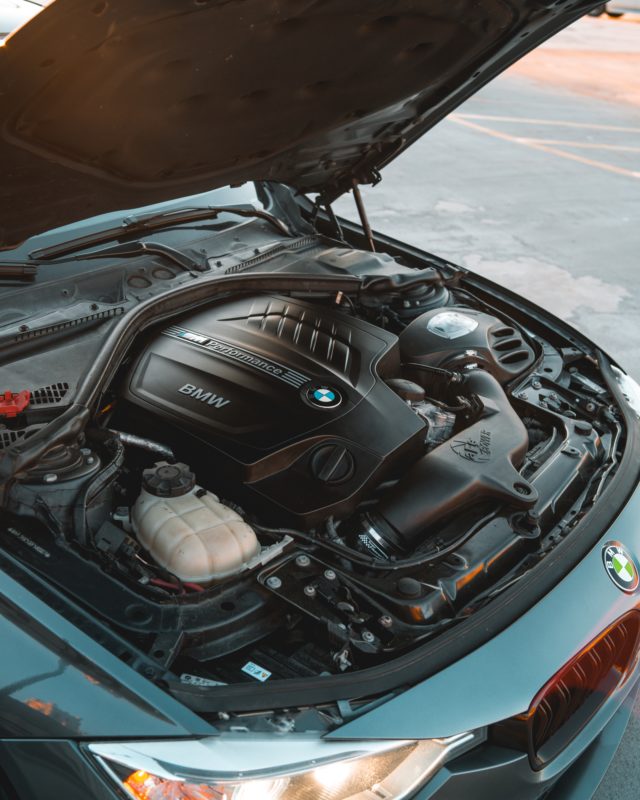
- Minor coolant leaks beginning at expansion tanks or hose junctions (common in BMW 3 Series and VW Golfs).
- Early water pump seepage.
- Thermostat irregularities causing temperature fluctuation.
- Dried coolant residue indicating prior overheating events.
These issues may not trigger warning lights during a short test drive, but they can lead to significant repairs if left unresolved.
Why it matters:
Overheating is one of the fastest ways to compromise a European engine. Early detection protects long-term reliability and saves you from a complete engine rebuild.
2. Oil Leaks That Haven’t Reached the Ground Yet
Many European engines develop minor oil seepage before it becomes obvious.
Common sources include:
- Tappet cover gaskets.
- Oil filter housing seals.
- Timing cover areas.
- Sump gaskets.
During a sale, these may be cleaned or not yet visible underneath the vehicle. However, our thorough undertray removal often reveals early-stage leaks.
Why it matters:
Oil leaks rarely improve on their own. Left untreated, they can contaminate belts, mounts, or electrical components, turning a minor seal replacement into a major repair bill.
3. Transmission Behaviour That Feels “Almost” Normal
DSG, ZF, and Mercedes automatic transmissions are refined when healthy. In pre-purchase inspections, we sometimes detect:
- Slight hesitation during low-speed engagement.
- Delayed reverse selection.
- Minor shift flare between gears.
- Adaptation values outside the expected range.
These symptoms are subtle and often dismissed by sellers as “just how they drive”.
Why it matters:
Transmission servicing history and live data assessment reveal far more than a test drive alone. Early signs of wear are easier to manage than advanced internal faults, which can cost thousands to rectify.
4. Suspension and Control Arm Wear
European vehicles prioritise ride refinement and handling precision. As components age, small changes occur gradually.
We frequently identify:
- Worn control arm bushings.
- Minor shock absorber seepage.
- Steering play beginning to develop.
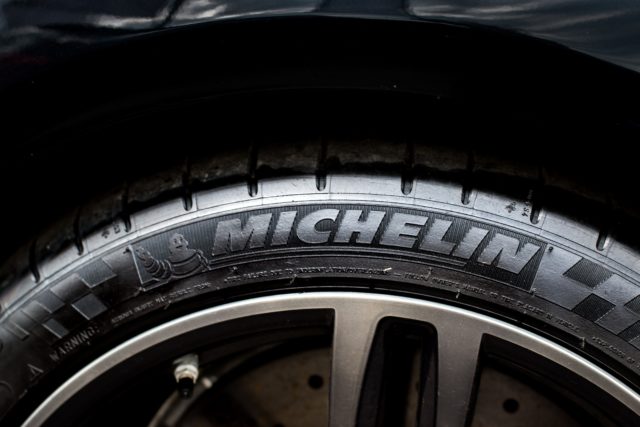
- Uneven tyre wear due to alignment drift.
Many sellers are unaware of these changes because they develop slowly over time.
Why it matters:
Suspension wear affects braking stability, tyre life, and long-term safety, especially in family SUVs such as the Audi Q5, BMW X5, or Mercedes GLC.
5. Electrical Fault History Hidden in Memory
A vehicle may show no warning lights at inspection—but stored historical faults often tell a different story.
We regularly uncover:
- Intermittent voltage irregularities.
- Cooling system over-temperature events.
- Communication errors between modules.
- Sensor faults that were cleared without repair.
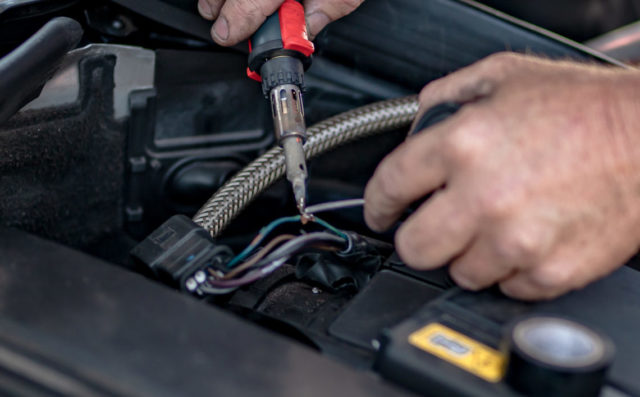
A basic scan tool won’t reveal the full picture. Our manufacturer-level diagnostics provide deeper insight into the vehicle’s electronic health.
Why it matters:
A clear dashboard does not always mean a clean history. We ensure you know exactly what the car has been through.
6. Previous Repairs That Weren’t Performed to European Standards
We occasionally see:
- Incorrect fluid specifications used.
- Aftermarket parts not suited to the model.
- Missing adaptation procedures after servicing.
- Non-specialist repair methods that affect future diagnostics.
These issues may not cause immediate failure, but they can compromise system behaviour over time.
Why it matters:
European engineering depends on correct procedures, not just part replacement. Trusting a specialist ensures the longevity of your vehicle.
7. Service History Gaps or Incomplete Documentation
A vehicle may appear well-maintained, yet closer review reveals:
- Irregular service intervals.
- Missing transmission servicing.
- No documented brake fluid changes.
- No evidence of cooling system maintenance.
With European vehicles, maintenance timing matters.
Why it matters:
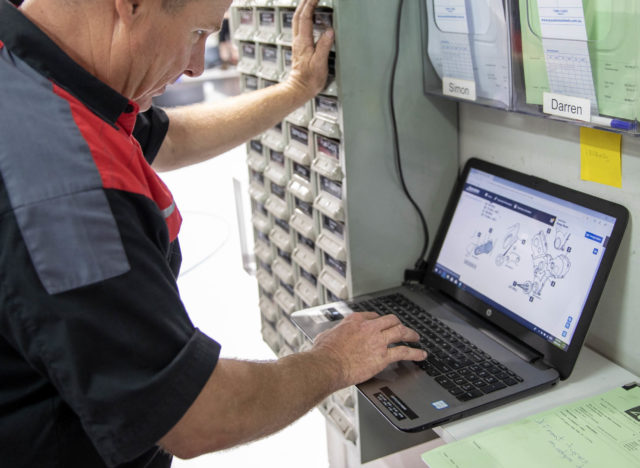
Long service gaps increase the likelihood of hidden wear. We have access to the online service book history for Mercedes-Benz and can verify the true maintenance record.
Why These Issues Often Go Unnoticed
- A standard roadworthy inspection focuses on safety compliance.
- A dealership inspection may focus only on visible or warranty-related concerns.
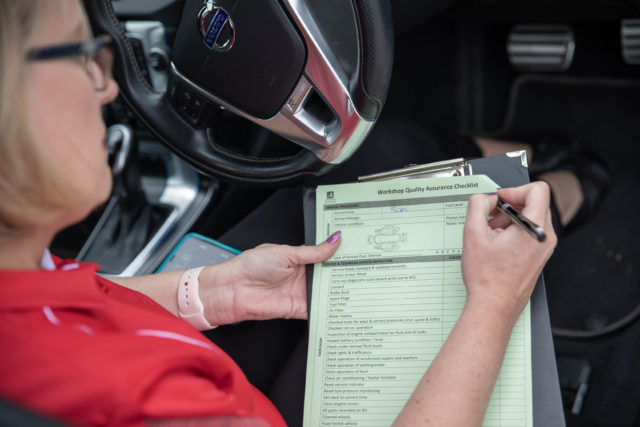
A specialist pre-purchase inspection is different. It combines:
- Full diagnostic scan of all control modules.
- Live data assessment.
- Mechanical inspection of common wear points.
- Brand-specific pattern recognition.
- Review of service history relevance.
We assess not only what is failing, but what is beginning to wear. We even provide video integration from the workshop to show you exactly what needs to be done, offering a great personal touch and total transparency.
The Value of a Diagnostic-Led Pre-Purchase Inspection
For buyers, this protects the investment and preserves long-term value. It ensures safety and predictability for family use.
Our goal is not to discourage a purchase. It is to provide clarity—so you can negotiate confidently, walk away if necessary, or proceed knowing exactly what to plan for.
Buying a European Vehicle in the Brisbane Area?
If you’re considering a used Mercedes-Benz, BMW, Audi, Volkswagen, or Porsche in Brisbane, we provide comprehensive pre-purchase inspections designed specifically for European vehicles.
You’ll receive:
- Clear explanation of findings.
- Identification of urgent vs monitor-only items.
- Insight into model-specific patterns.
- Transparent recommendations without pressure.
FAQ – European Pre-Purchase Inspections
1. How long does a pre-purchase inspection take?
A comprehensive inspection typically takes a few hours. We meticulously examine all critical systems to ensure nothing is missed.
2. Do I get a written report?
Yes, you receive a detailed report outlining our findings, including urgent repairs, monitor-only items, and a clear explanation of the vehicle's overall condition. We also use video integration to show you specific issues.
3. Can you inspect the car if I'm buying it from a dealership?
Absolutely. We provide an independent, expert assessment that goes beyond standard checks, giving you true peace of mind.












 07 2143 8047